
A Brief Introduction To Electrical and Plumbing
What is MEP?
Electrical, and Plumbing (MEP) are three core aspects of building design and construction. Here's a brief overview of each:
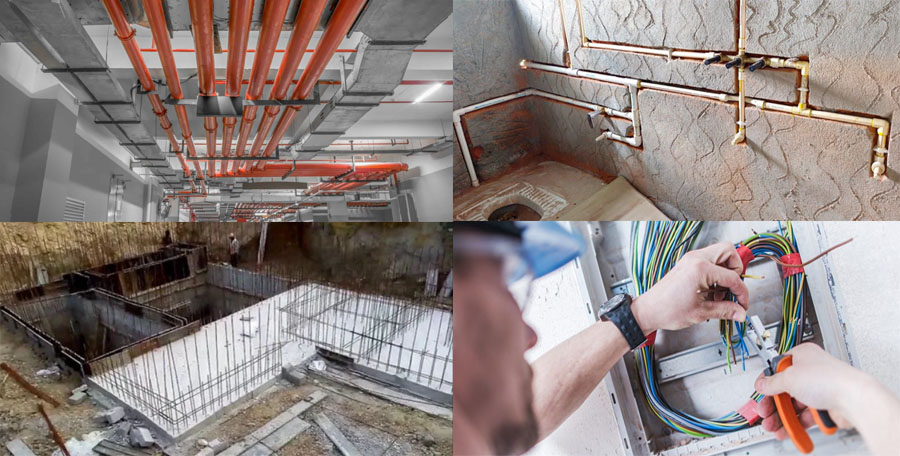
Mechanical Systems: These systems deal with heating, ventilation, and air conditioning (HVAC) in buildings. Mechanical engineers design systems that regulate temperature, humidity, and air quality to create comfortable and healthy indoor environments. This includes the design of heating systems (e.g., boilers, furnaces), cooling systems (e.g., air conditioning units, chillers), ventilation systems (e.g., ductwork, fans), and controls to manage these systems efficiently.
Electrical Systems: Electrical systems encompass the design and installation of electrical infrastructure within buildings. This includes power distribution, lighting, communication, and security systems. Electrical engineers design circuits, wiring, transformers, switchgear, and other components to ensure safe and reliable delivery of electricity throughout the building. They also integrate energy-efficient solutions and consider factors such as power backup systems (e.g., generators, UPS), lighting design, and smart technologies for energy management.
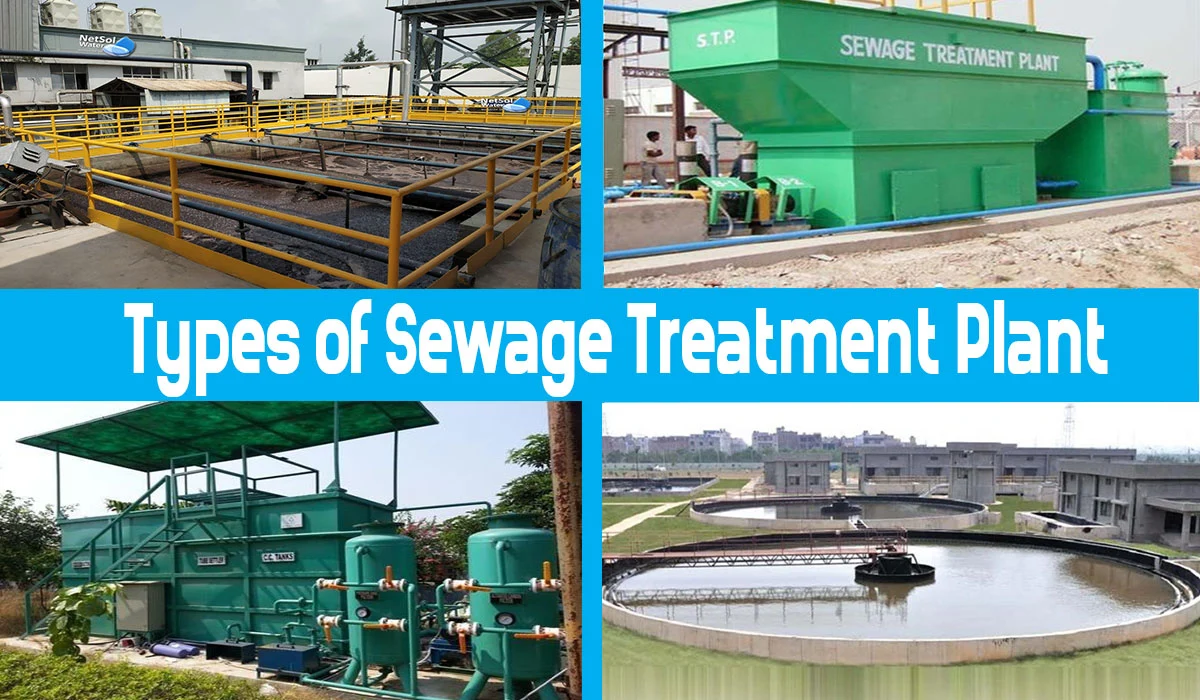
Plumbing Systems: Plumbing systems involve the distribution of water supply and the disposal of wastewater within buildings. Plumbing engineers design piping networks, fixtures, and fittings for potable water supply, as well as drainage, sewage, and stormwater systems. They ensure compliance with plumbing codes and standards to maintain health, safety, and sanitation. Plumbing systems also include components like water heaters, pumps, valves, and backflow prevention devices.